


This Day in Legal History: Plessy v. Ferguson
On May 18, 1896, the U.S. Supreme Court decided Plessy v. Ferguson, a case that became one of the most infamous constitutional decisions in American history. The dispute arose from a Louisiana law requiring separate railroad cars for Black and white passengers. Homer Plessy, who was of mixed race, deliberately sat in a whites-only rail car to challenge the law. After he was arrested, Plessy argued that the statute violated the Thirteenth and Fourteenth Amendments. The Supreme Court rejected that argument and held that racial segregation did not violate the Constitution as long as the separate facilities were considered equal. This became known as the “separate but equal” doctrine.
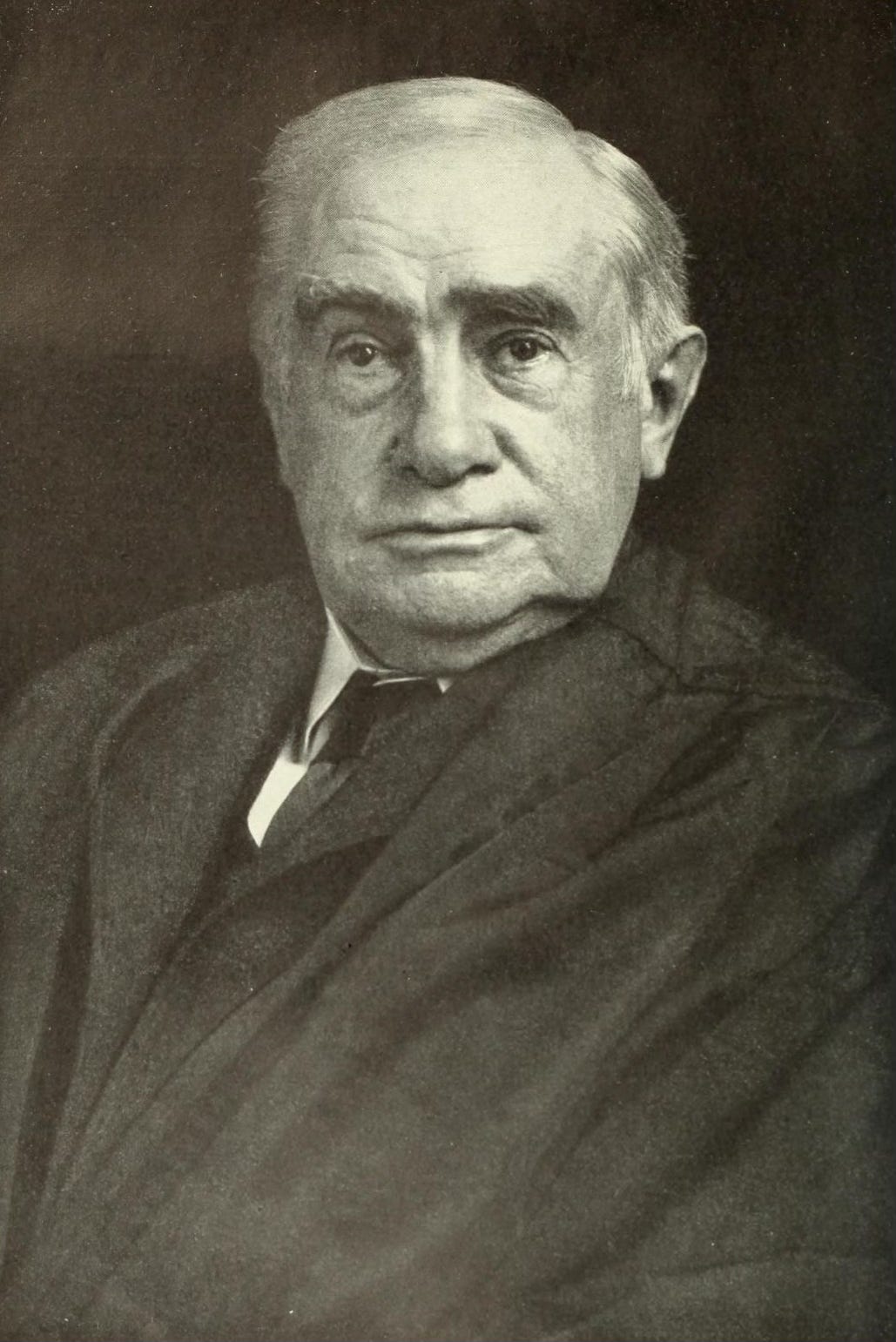
In practice, the doctrine gave legal cover to segregation across the South and helped support the broader Jim Crow system. The Court treated segregation as a matter of public policy rather than as a badge of racial inferiority imposed by law. Justice Henry Billings Brown wrote the majority opinion, reasoning that enforced separation did not necessarily imply inequality. Justice John Marshall Harlan dissented, warning that the Constitution should be color-blind and that the ruling would become as harmful as the Court’s decision in Dred Scott. His dissent later became one of the most important statements in American civil-rights law. For nearly six decades, Plessy allowed governments to maintain racially separate schools, transportation, and public facilities.
The decision was finally undermined in 1954, when the Supreme Court decided Brown v. Board of Education and rejected segregation in public education. Plessy remains a stark example of how constitutional interpretation can either protect civil rights or help entrench systems of inequality.
A proposed class action filed in Washington federal court accuses Amazon of keeping money it allegedly collected from customers through prices inflated by now-invalidated Trump administration tariffs. The plaintiffs say Amazon could seek refunds from the federal government after the U.S. Supreme Court struck down the tariffs, but has refused to do so because it wants to stay in President Trump’s good graces. The lawsuit claims Amazon passed tariff costs on to shoppers, then failed to commit to returning that money even though other retailers have allegedly pursued refunds. The customers point to Amazon’s abandoned plan to show tariff-related price increases on product pages as evidence that the company can identify both the tariff amounts and the consumers who paid them. They also claim Amazon backed away from that plan after criticism from the Trump administration and a call involving Amazon CEO Jeff Bezos.
The complaint alleges violations of the Washington Consumer Protection Act, unjust enrichment, and money had and received. The plaintiffs say Amazon misled consumers by suggesting tariffs were not increasing prices, while allegedly raising prices on certain low-cost goods after the tariffs took effect. They also argue Amazon failed to tell customers it would not seek tariff refunds even if the tariffs were later found unlawful. The proposed class would include Amazon customers who paid tariff-related surcharges from February 4, 2025, through February 20, 2026. The suit estimates the class could include tens of millions of buyers and seeks to recover money the plaintiffs say belongs to consumers. Similar lawsuits have been filed against other major companies, including Nike, Sony, Nintendo, Costco, Temu, and FedEx.
Amazon Skipped Tariff Refunds To Appease Trump, Suit Says - Law360
The Federal Circuit held its biennial judicial conference in Washington, D.C., bringing together its active judges, agency leaders, district judges who have recently sat by designation, Chief Justice John Roberts, and Solicitor General D. John Sauer. Chief Judge Kimberly Ann Moore opened the event with lighter moments, including praise for Senior Judge Raymond C. Clevenger and the debut of an AI-generated Federal Circuit theme song meant to make the court feel more accessible. The conference did not address the ongoing suspension of Judge Pauline Newman, although she attended the event while continuing to challenge the suspension at the Supreme Court. Judge Moore said the court issued 630 opinions in 2025, its highest total in a decade, and noted an effort to use fewer one-line Rule 36 affirmances. Still, court leaders and practitioners criticized Rule 36 decisions, especially because they give lower courts and litigants little explanation.
The judges also discussed en banc arguments, emphasizing that lawyers must stay focused because full-court arguments leave little time for extended exchanges with any one judge. A major theme was the renewed use of district judges sitting by designation, with 23 visiting judges helping decide nearly 200 cases since February 2024. Visiting district judges said the experience gave them a new appreciation for appellate work, the quality of Federal Circuit advocacy, and the process of narrowing trial records into appealable issues. Federal Circuit judges also described sitting on other courts, including in criminal sentencing matters, which several said gave them a deeper appreciation for the workload and human stakes faced by district judges. The judges offered practical advice to lawyers, urging them to narrow issues, address weaknesses directly, provide full context for citations, and make appropriate concessions. USPTO Director John Squires also appeared and defended his approach to discretionary denials of inter partes review petitions, saying he is returning the process to what Congress intended under the America Invents Act.
Fed. Circ. Drops A Theme Song, Talks Guest Judges - Law360
President Donald Trump has dropped his $10 billion lawsuit against the IRS and Treasury Department, a move linked to discussions about creating a $1.8 billion compensation fund for people who claim they were unfairly investigated by prior administrations. The court filing did not describe any settlement, but Trump’s lawyers said the case was still early enough that he could dismiss it without court permission or IRS approval.
The dismissal was filed “with prejudice,” meaning Trump cannot bring the same claim again. Trump and his sons filed the lawsuit in January, accusing the IRS of failing to protect confidential tax information after his tax records were leaked. A former IRS contractor, Charles Littlejohn, was sentenced to prison for leaking Trump’s tax information as well as records belonging to many others. Trump brought the case as a private citizen, not in his official role as president. The federal judge overseeing the case had already questioned whether a sitting president could properly seek personal monetary damages from an agency inside the executive branch.
The dismissal follows settlements in lawsuits brought by Trump allies, including Michael Flynn and Carter Page. Shortly after Trump’s filing, House Democrats submitted a brief accusing him of self-dealing and arguing that any attempt to use the court process to support a settlement should be closely reviewed.


