


This Day in Legal History: V-E Day
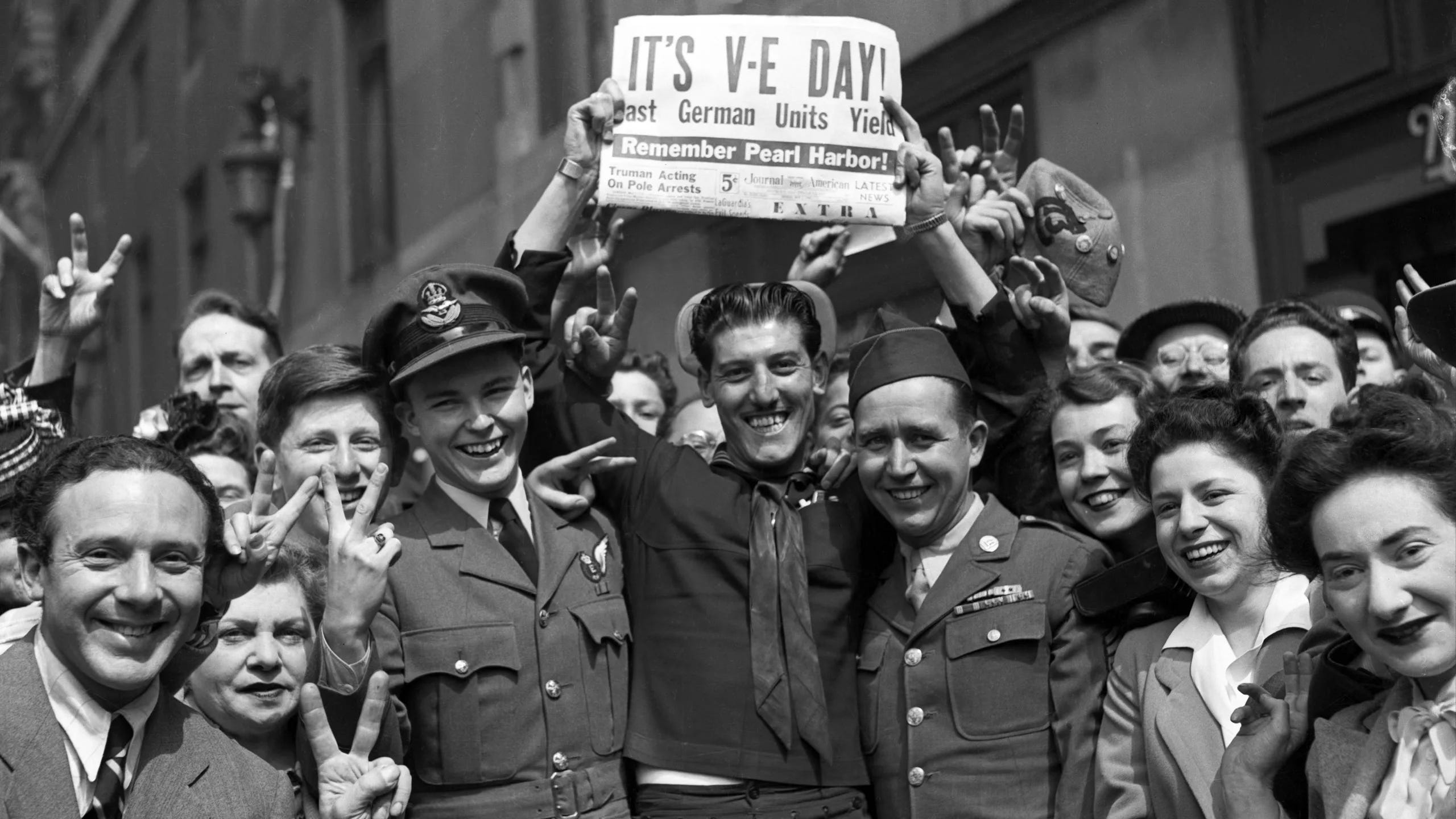
On May 8, 1945, the Allies celebrated Victory in Europe Day, or V-E Day, after Nazi Germany’s unconditional surrender brought the European theater of World War II to an end. The surrender did more than end a military campaign; it opened the door to one of the most important legal reckonings in modern history. In the months that followed, the Allied powers created the International Military Tribunal at Nuremberg to prosecute major Nazi leaders for crimes against peace, war crimes, and crimes against humanity. These trials helped establish that individuals, including heads of state and military officials, could be held personally responsible under international law. That principle was a major departure from older ideas that treated war primarily as a matter between nations rather than as a source of individual criminal liability.
V-E Day also set the stage for the legal rejection of the defense that officials were merely “following orders” when participating in atrocities. The postwar prosecutions influenced later human rights law, including the Genocide Convention and the Universal Declaration of Human Rights. They also helped shape the Geneva Conventions of 1949, which strengthened protections for civilians, prisoners of war, and wounded soldiers. The legal aftermath of V-E Day showed that victory would not be measured only by military surrender, but also by whether law could respond to mass violence. It forced courts and governments to confront how ordinary legal systems had failed under fascism and how international law might prevent future atrocities. The Nuremberg legacy remains central to modern debates over command responsibility, aggressive war, and accountability for crimes committed during armed conflict. May 8 therefore stands not only as a day of celebration, but as a turning point in the development of international criminal law.
A U.S. trade court ruled that President Trump’s latest temporary 10% global tariffs were not properly justified under Section 122 of the Trade Act of 1974. The decision was narrow, blocking the tariffs only for two private importers, Basic Fun! and Burlap & Barrel, along with the State of Washington. The tariffs remain in place for all other importers while the Trump administration considers an appeal, and they are currently set to expire in July. The court found that Section 122, which allows short-term tariffs to address serious balance-of-payments problems or protect the dollar, did not fit the trade deficits cited by Trump. Most of the state plaintiffs were denied broader relief because the court found they lacked standing, since they had not shown they directly paid or would pay the tariffs. Washington was treated differently because it submitted evidence that tariffs were paid through the University of Washington. The ruling follows a Supreme Court decision that had already struck down a separate set of Trump tariffs imposed under a national emergency law. The administration is expected to keep pursuing tariffs through other legal routes, especially Section 301 of the Trade Act, which deals with unfair trade practices. Lawyers and trade experts expect further appeals and possible lawsuits from other importers seeking similar relief or refunds. For now, the ruling is legally important but limited in practical effect because it does not stop the tariffs nationwide.
US trade court rules Trump tariffs illegal, but issues narrow block | Reuters
New York is preparing to ban law enforcement officers, including ICE agents, from wearing masks during ordinary duty operations. Governor Kathy Hochul announced the plan as part of a broader agreement with state lawmakers on New York’s 2027 budget. The proposal would allow masks only in limited situations where there is a real operational need, such as the use of a gas mask. The budget agreement also includes immigration-related limits on cooperation between state law enforcement and ICE. Under the plan, state law enforcement would be barred from helping ICE carry out federal immigration actions. ICE would also be restricted from entering schools, healthcare facilities, homes, and other sensitive locations unless agents have a judicial warrant. State officials expect the Democratic-led legislature to approve the measures soon. Similar mask restrictions have been pursued in California and New Jersey. Those efforts have already drawn lawsuits from the U.S. Justice Department. A federal judge struck down California’s ban earlier this year, finding that it unlawfully discriminated against federal officers. That history suggests New York’s measure is likely to face a federal legal challenge as well.
New York state set to ban law enforcement, including ICE, from wearing masks | Reuters
Illinois lawmakers advanced an amended bill meant to limit outside investor influence over law firms. The state Senate Judiciary Committee approved the measure 8-1, sending it to the full Senate for further consideration. The bill targets arrangements involving law firm management services organizations, often called MSOs, and other non-lawyer-owned entities connected to legal practices. It would bar those entities from interfering with lawyers’ professional judgment, hiring decisions, or access to firm documents. It would also prevent outside entities from charging fees tied directly or indirectly to a law firm’s fees or revenue. The amended version allows law firms to repay loans or credit from outside entities, as long as repayment is not tied to the firm’s financial performance. It also narrows the bill so that it applies to Illinois lawyers and firms representing clients at least partly on a contingency-fee basis. Lawyers would have to disclose MSO agreements to their clients. Supporters say the bill is designed to keep legal decisions in the hands of attorneys rather than investors seeking profits. Critics argue the bill is too broad and may interfere with the Illinois Supreme Court’s authority to regulate the legal profession. The Illinois House already passed an earlier version, but it would need to approve the amended bill before it could go to the governor.
Illinois advances bill to limit investor influence on law firms | Reuters


