



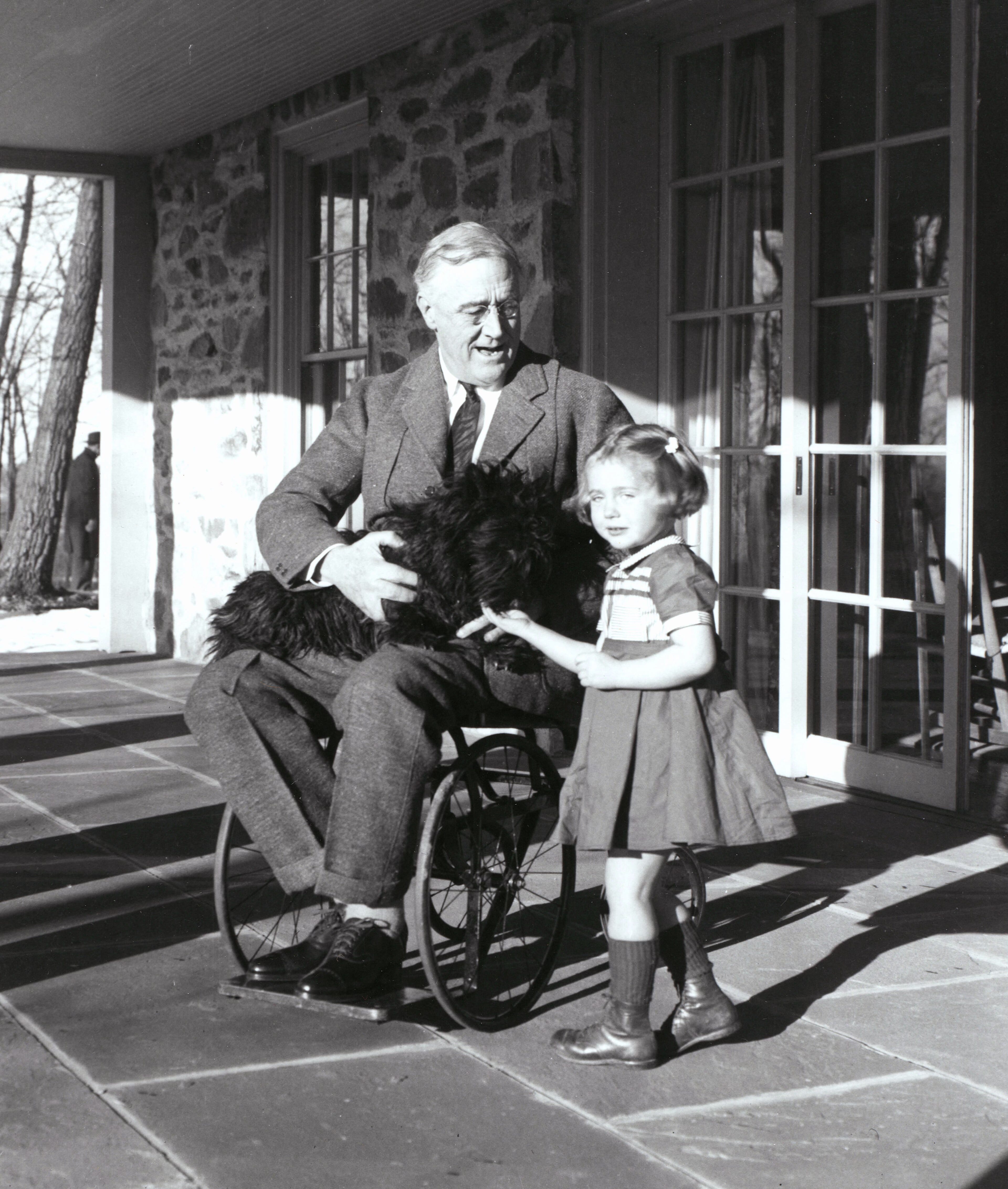
This Day in Legal History: FDR’s Court Packing Plan
On February 5, 1937, President Franklin D. Roosevelt proposed the Judicial Procedures Reform Bill of 1937, better known as the “court-packing plan.” This controversial legislation aimed to expand the number of justices on the U.S. Supreme Court from nine to as many as fifteen. Roosevelt’s justification was to improve the efficiency of the judiciary, but the underlying motive was widely understood to be frustration with the Court’s consistent invalidation of New Deal legislation. The plan would have allowed the president to appoint an additional justice for every sitting justice over the age of 70½ who refused to retire.
At the time, the Supreme Court had struck down several key components of Roosevelt’s New Deal, including the National Recovery Administration and the Agricultural Adjustment Act. Although Roosevelt had just won re-election in a landslide in 1936, the proposal met immediate and bipartisan resistance in Congress and the press. Critics argued it threatened the separation of powers and judicial independence. Even members of Roosevelt’s own party viewed the move as a dangerous overreach.
Ultimately, the bill failed in the Senate. However, the controversy arguably pressured the Court to adopt a more favorable view of New Deal legislation. Justice Owen Roberts’s shift in support of certain New Deal programs came to be dubbed “the switch in time that saved nine.” While Roosevelt did not get to add new justices through his plan, he eventually appointed eight Supreme Court justices over his long presidency, reshaping the Court over time.
Georgia’s Fulton County has filed a legal challenge over an FBI seizure of 2020 election records, arguing the search was overly broad and requesting the return of the documents. The motion, filed in federal court, also seeks to unseal the affidavit behind the warrant. The FBI searched the Fulton County Election Hub in Union City on January 28 as part of its investigation into President Donald Trump’s false claims of widespread voter fraud in Georgia during the 2020 election, which Trump lost to Joe Biden. According to the warrant, agents were authorized to confiscate all physical ballots, tabulator tapes, and voter rolls from multiple voting methods. County Commissioner Marvin Arrington Jr. criticized the process, noting the absence of an inventory or orderly transition of records, which raises concerns about potential document loss or tampering. He expressed skepticism about the value of any returned materials under such circumstances. The raid, perceived by local officials as politically motivated, has sparked fears of federal overreach and interference ahead of the 2026 midterms.
Georgia’s Fulton County challenges seizure of election records | Reuters
Jones Day, a major international law firm, has filed a lawsuit in New York state court against private equity firm Centre Lane Partners and multiple affiliated companies, alleging over $9.6 million in unpaid legal fees. The firm claims it served as Centre Lane’s outside counsel since 2018, providing legal services across litigation, financing, acquisitions, and regulatory matters. Though Centre Lane reportedly had a consistent payment history, Jones Day alleges payments ceased in 2024 despite continued promises. Relying on assurances that payments were forthcoming, Jones Day says it rendered millions more in services, which it now claims were based on false representations.
Notably, more than half of the unpaid fees stem from Jones Day’s defense work in an ongoing antitrust case involving a Pennsylvania glass plant closure and an FTC investigation. As of last month, Jones Day began formally withdrawing from representing Centre Lane in active cases, and the law firm Greenberg Traurig has taken over in the antitrust matter. Among the defendants named are Centre Lane portfolio companies, including Anchor Hocking and Corelle Brands. The case remains unassigned in New York’s Supreme Court, with no counsel yet listed for the defendants.
Law firm Jones Day sues private equity firm, alleging $9.6 million in unpaid fees | Reuters
The U.S. Food and Drug Administration has classified Abbott’s recall of certain glucose monitoring devices as a Class I recall—the most serious level—after the products were linked to seven deaths and 860 serious injuries. The affected devices include specific lots of the FreeStyle Libre 3 and FreeStyle Libre 3 Plus sensors, which have been found to display inaccurately low blood sugar readings. Such faulty readings can lead users to make harmful treatment decisions, such as consuming too many carbohydrates or incorrectly adjusting insulin doses.
Abbott disclosed that the devices may provide incorrect readings over extended periods, increasing the risk of serious medical complications for users who rely on continuous glucose data. The recall and its classification signal heightened concern from federal health regulators due to the potential for severe harm or death. As of early January, these issues had already caused significant patient harm. Abbott has not publicly detailed the total number of units affected or the geographic scope of the recall.
Abbott recalls glucose sensors after seven deaths linked to faulty readings | Reuters
In an exclusive obtained by Bloomberg Law, the U.S. Department of Justice has directed all 93 U.S. attorney’s offices to designate prosecutors for newly formed “emergency jump teams” by February 6. These teams are intended to provide short-term support in jurisdictions experiencing critical events—particularly those involving alleged assaults on or obstruction of law enforcement. The internal memo from DOJ Executive Office Director Francey Hakes outlines the initiative as a rapid-response measure to bolster prosecutorial presence in areas facing urgent demands.
The move follows a wave of resignations in the Minneapolis U.S. attorney’s office amid growing discontent over political targeting and controversial assignments, such as a disputed investigation into the widow of a protester killed by an ICE officer. While the memo does not directly mention Minneapolis, it aligns with Trump administration efforts to maintain aggressive law enforcement in left-leaning jurisdictions facing staff shortages.
Offices previously affected by similar surges, including Chicago, Los Angeles, and D.C., have also suffered attrition, partly due to repeated grand jury refusals to indict protestors. The memo frames the jump teams not as litigators but as support staff to assist in command operations—handling triage, reviewing legal filings, and managing logistics.
The order coincides with overt recruitment of ideologically aligned attorneys, including a public social media call for applicants who support Trump’s anti-crime platform. Additionally, the jump teams will help implement Attorney General Pam Bondi’s December directive to prioritize investigations into leftist groups like antifa.
DOJ Orders Emergency Surge Prosecutors From All US Attorneys (2)


