




This Day in Legal History: League of Nations Meets
On January 23, 1920, the League of Nations held its first official meeting, marking a major experiment in international law and collective governance. The League was created in the aftermath of World War I as part of the Treaty of Versailles. Its core mission was to prevent future wars through diplomacy, arbitration, and collective security. For the first time, nations committed themselves to resolving disputes through legal mechanisms rather than unilateral force. The League also helped develop early norms of international accountability and treaty enforcement. It established permanent institutions to oversee mandates, labor standards, and minority protections. Although the United States never joined, the League influenced how international law was discussed and practiced. Its failures, particularly its inability to prevent aggression in the 1930s, exposed the limits of voluntary compliance without enforcement power. Those weaknesses became lessons for later international institutions. Many of the League’s structures and legal concepts were later incorporated into the United Nations. The League’s first meeting thus represents a foundational moment in the modern law of international cooperation.
U.S. President Donald Trump filed a $5 billion lawsuit in Florida state court against JPMorgan Chase and its CEO Jamie Dimon, alleging that the bank improperly closed his accounts for political reasons. Trump claims JPMorgan violated its own internal policies by singling him out as part of a broader political agenda. The bank denied the allegations, stating it does not close accounts based on political or religious views and that the lawsuit lacks merit. Trump also accused Dimon of orchestrating a “blacklist” intended to discourage other financial institutions from doing business with him, his family, and the Trump Organization. He said the account closures caused reputational harm and forced him to seek alternative banking relationships. JPMorgan countered that account closures are sometimes required to manage legal or regulatory risk. The lawsuit comes amid broader political scrutiny of banks over alleged “debanking” practices. Conservative critics have accused lenders of restricting services to certain individuals and industries. A recent report from the Office of the Comptroller of the Currency found that major banks limited services to some industries between 2020 and 2023, though it did not identify specific wrongdoing. Regulators have since moved away from using vague “reputational risk” standards in bank supervision.
Trump sues JPMorgan, CEO Jamie Dimon for $5 billion over alleged debanking | Reuters
Former U.S. Special Counsel Jack Smith told the House Judiciary Committee that Donald Trump willfully violated the law in his efforts to remain in power after losing the 2020 presidential election. Smith testified that Trump was not seeking truthful information about election fraud claims but instead was searching for ways to block certification of the results. The hearing marked Smith’s first extensive public testimony about the two criminal cases he brought against Trump, both of which were dropped after Trump won reelection in 2024. Republicans on the committee accused Smith of political bias and argued his investigation improperly targeted Trump and his allies. They focused on Smith’s use of subpoenas for phone records of Republican lawmakers, portraying the actions as overreach. Smith defended those measures as necessary to investigate potential obstruction of justice. He said Republican witnesses who contradicted Trump’s fraud claims would have been central to the election interference case. Trump responded by renewing calls for Smith to be prosecuted and accusing him of harming innocent people. Democrats on the panel defended Smith as a career prosecutor guided by evidence rather than politics.
Former US prosecutor Smith says Trump ‘willfully broke’ laws in bid to keep power | Reuters
A federal judge expressed skepticism about whether the Trump administration has the legal authority to build a $400 million ballroom at the White House without congressional approval. U.S. District Judge Richard Leon questioned the administration’s justification for demolishing the historic East Wing and replacing it with a large new structure. The lawsuit was brought by the National Trust for Historic Preservation, which argues the project violates federal laws governing construction on parkland in Washington, D.C. The group contends that Congress must expressly authorize such construction and that required environmental reviews were bypassed or improperly handled. Judge Leon sharply rejected comparisons between the ballroom and past minor renovations, signaling concern about the scale of the project. He is considering whether to issue a preliminary injunction that would halt construction while the case proceeds. The administration maintains the ballroom is necessary for state functions and part of a long tradition of presidential renovations. Government lawyers also argue that stopping construction now would serve no public benefit, especially since above-ground work is months away. Leon said he expects to rule on the injunction request in the coming weeks.
White House faces skeptical judge in lawsuit over Trump ballroom | Reuters
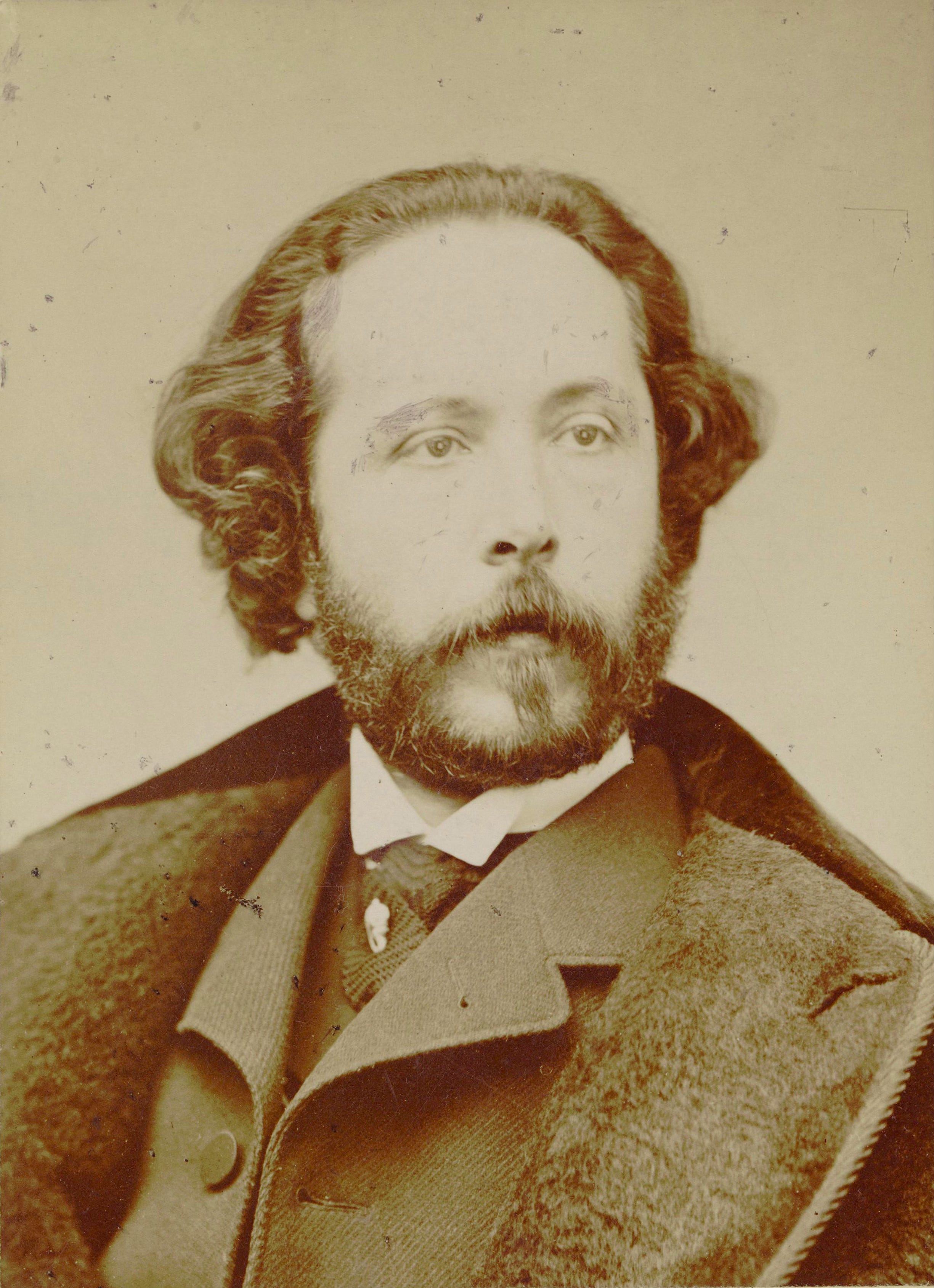
This week’s closing theme is by Édouard Lalo.
This week’s closing theme features music by Lalo, a composer who spent much of his career just outside the spotlight of 19th-century French music. Born in 1823, Lalo came to composition relatively late and struggled for recognition in a musical world dominated by opera and established conservatory figures. He is best remembered today for works that combine classical structure with vivid color and rhythmic vitality. The Concerto in F Major, Op. 20 reflects those strengths, balancing elegance with expressive intensity. The opening Andante – Allegro begins with a reflective, almost searching character before unfolding into a more energetic and assertive main section. Lalo uses the solo instrument to sing rather than dominate, emphasizing lyrical phrasing over virtuosic display. The movement’s shifting moods showcase his gift for contrast and dramatic pacing. There is a clear sense of forward motion, but never at the expense of clarity. Lalo’s orchestration remains transparent, allowing themes to breathe and develop naturally. The music feels poised between Romantic warmth and classical restraint. As a closing theme, it offers both momentum and reflection. It is a reminder of Lalo’s understated influence and the enduring appeal of his finely crafted musical voice.
Without further ado, Édouard Lalo’s Concerto in F Major, Op. 20, the opening Andante, enjoy!


