


This Day in Legal History: Missouri v. Holland
On March 18, 1922, the U.S. Supreme Court issued a landmark decision in Missouri v. Holland, clarifying the scope of federal treaty power. The case arose when the state of Missouri challenged a federal statute that implemented a treaty between the United States and Great Britain to protect migratory birds. Missouri argued that the regulation of wildlife fell within the state’s reserved powers under the Tenth Amendment. The state maintained that the federal government could not use a treaty to expand its authority into areas traditionally controlled by the states.
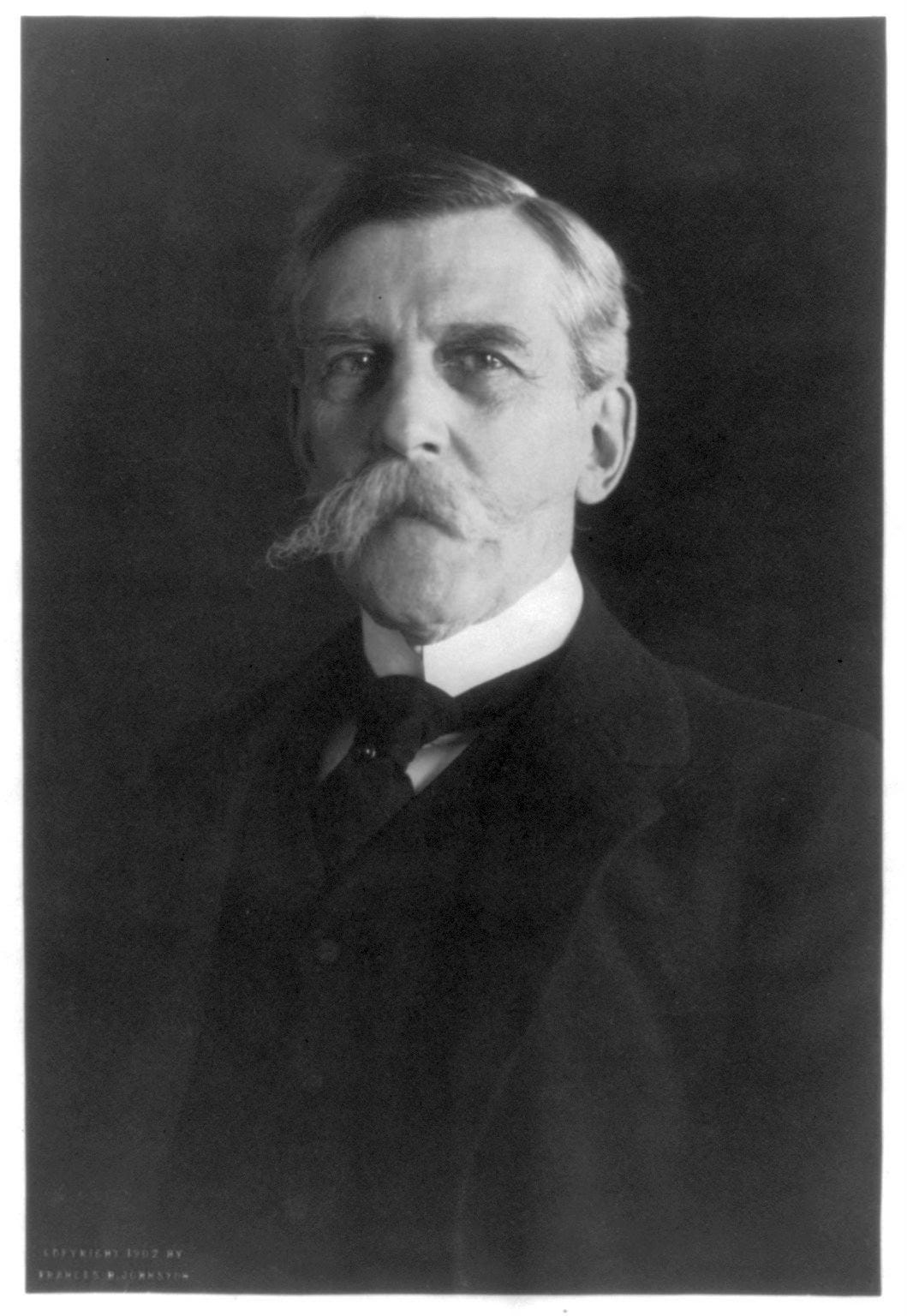
The Supreme Court rejected this argument and upheld the federal law. Writing for the Court, Oliver Wendell Holmes Jr.emphasized that the Constitution grants the federal government the power to make treaties, and that these treaties can address matters of national and international concern. He reasoned that migratory birds, by their nature, cross state and national boundaries, making them an appropriate subject for international agreement. The Court concluded that when a treaty is validly made, Congress may pass laws necessary to implement it, even if those laws regulate areas otherwise left to the states.
This decision reinforced the supremacy of federal treaties over conflicting state laws under the Supremacy Clause. It also signaled a broader understanding of federal power in foreign affairs, particularly when international cooperation is required. The ruling has had lasting implications for the balance between state and federal authority, especially in cases involving environmental regulation and international commitments.
A California federal jury is weighing whether Elon Musk committed securities fraud through his public statements about Twitter during his 2022 acquisition attempt. Investors claim Musk deliberately made misleading statements about the level of spam and fake accounts to drive down Twitter’s stock price after agreeing to buy the company. According to their lawyers, these statements were part of a calculated plan to gain leverage to renegotiate or exit the $44 billion deal. They argue Musk had no evidence for his claims and point to internal communications suggesting he was already considering a lower price. The investors also emphasize that Musk had waived due diligence rights, making his public claim that the deal was “on hold” misleading.
Musk’s legal team counters that there is no proof of fraud and that expressing concerns about bots does not amount to illegal conduct. They argue Musk genuinely believed Twitter’s spam numbers were inaccurate and was frustrated by the company’s refusal to provide data to verify them. His lawyer also stressed that motive alone is not enough to establish fraudulent intent. Additionally, Musk ultimately declined an opportunity to renegotiate the deal at a lower price, which his attorneys say undermines the claim of a scheme. They also note that Musk reaffirmed his commitment to the deal shortly after his controversial tweet, which they argue is inconsistent with an effort to manipulate the market.
The case centers on whether Musk’s statements were intentionally deceptive or simply careless. Investors allege they suffered losses after Twitter’s stock dropped following Musk’s tweets. The jury must now decide whether his conduct meets the legal standard for securities fraud.
Were Musk’s Tweets ‘Deliberate’ Or ‘Stupid’? Jury To Decide - Law360
The Trump administration is defending the Pentagon’s decision to blacklist Anthropic in a federal court dispute, arguing the move was lawful and tied to national security concerns. The designation, made by Defense Secretary Pete Hegseth, labeled the company a supply chain risk after it refused to remove safeguards limiting the use of its AI for autonomous weapons or domestic surveillance.
Government lawyers claim Anthropic is unlikely to succeed in its lawsuit, rejecting the company’s argument that the action violated its First Amendment rights. They argue the dispute is about conduct—specifically contract and policy disagreements—not protected speech. According to the administration, no restrictions were placed on Anthropic’s ability to express its views, only on its eligibility for government contracts.
Anthropic has challenged the designation in court, calling it unlawful and harmful to its business, and is seeking to block the decision while the case proceeds. The company maintains that its safety restrictions reflect responsible AI practices and do not threaten national security. It also argues that the government failed to follow proper procedures and violated its due process rights.
The blacklisting, supported by Donald Trump, could limit Anthropic’s access to defense contracts and potentially lead to significant financial losses. The dispute follows failed negotiations between the company and the Pentagon over acceptable uses of its technology. Anthropic is pursuing a separate legal challenge in another court to contest a broader designation that could expand the ban across the federal government.
Trump administration defends Anthropic blacklisting in US court | Reuters
The Lycra Company has filed for Chapter 11 bankruptcy in Texas as part of a plan to reduce about $1.2 billion in debt and transfer ownership to its senior lenders. A bankruptcy judge granted interim approval for the company to access $50 million in debtor-in-possession (DIP) financing, rejecting objections from a lower-level creditor who argued the lenders had too much control over the restructuring.
The company entered bankruptcy with roughly $1.5 billion in total debt and a prearranged plan supported by most major lenders, who have agreed to vote in favor of the restructuring. The plan gives Lycra 45 days to confirm its reorganization and would convert different layers of debt into equity or warrants in the reorganized company.
One creditor, Castleknight Master Fund, objected, claiming the same lenders were playing multiple roles—DIP financiers, major creditors, and future owners—giving them an unfair advantage. The court, however, found this overlap common in large restructurings and allowed the financing to proceed, noting objections can be raised again later.
Lycra’s financial struggles stem from declining earnings, increased competition, inflation, and prior debt tied to earlier ownership changes. The company has also faced legal risks related to past transactions. Despite these issues, Lycra continues to operate globally, selling its products in more than 80 countries.
Spandex Maker Lycra Files Ch. 11 To Slash $1.2B Debt - Law360


