


This Day in Legal History: Dobbs
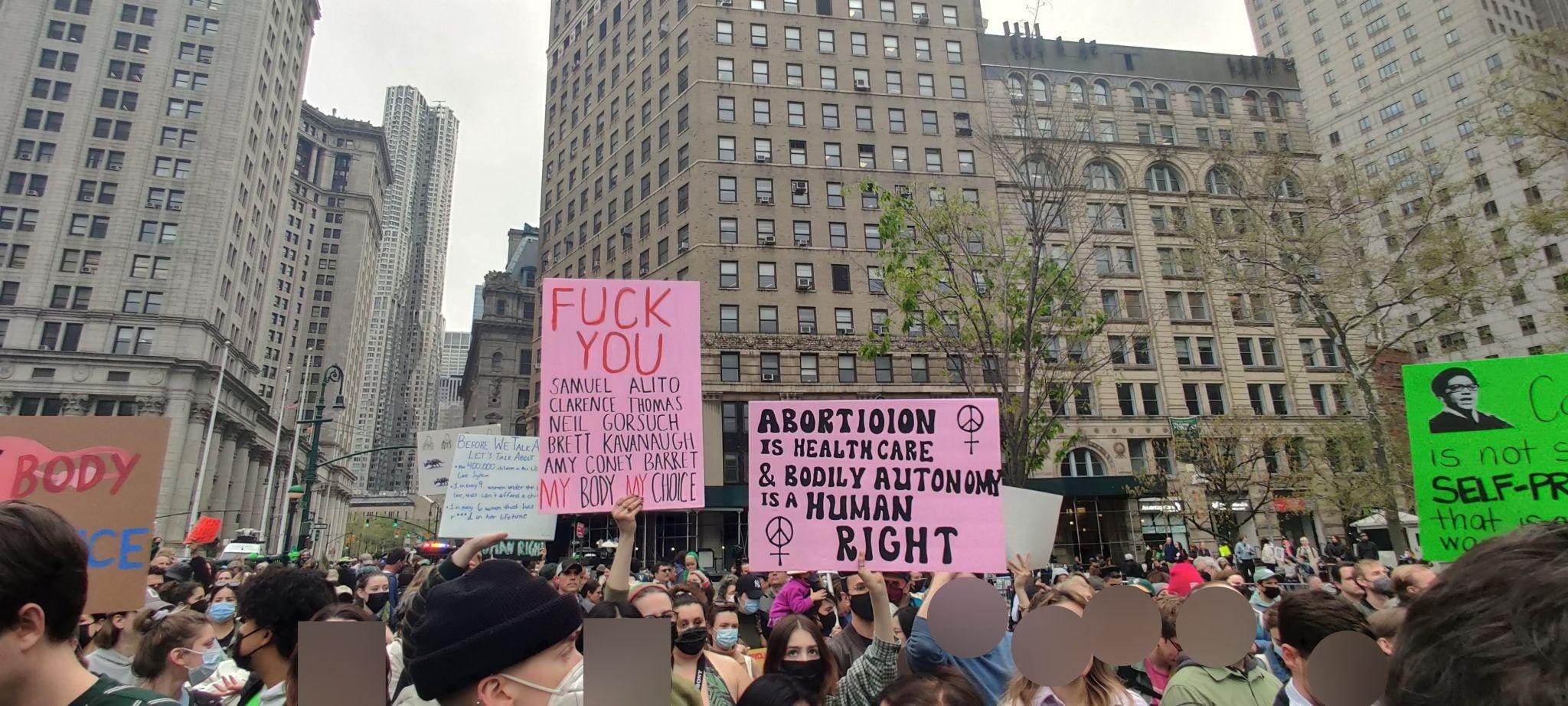
On June 24, 2022, the U.S. Supreme Court issued its decision in Dobbs v. Jackson Women’s Health Organization, a case that fundamentally changed American constitutional law. The case centered on a Mississippi statute that prohibited most abortions after 15 weeks of pregnancy. In a 6–3 ruling, the Court held that the Constitution does not protect a right to abortion. The decision expressly overturned Roe v. Wade, decided in 1973, and Planned Parenthood v. Casey, decided in 1992. Justice Samuel Alito wrote the majority opinion, arguing that abortion was not a right deeply rooted in the nation’s history and tradition. The ruling returned the authority to regulate abortion primarily to the states.
Almost immediately, abortion access began to vary widely across the country, depending on state law. Some states enforced near-total bans or severe restrictions, while others expanded protections for abortion access. The decision was also significant because it narrowed the use of substantive due process, the doctrine under which courts have recognized certain unenumerated constitutional rights. Supporters of the ruling argued that the Court had corrected a constitutional error and restored democratic control over abortion policy. Critics argued that the decision removed a long-recognized liberty interest and placed major personal medical decisions under state control. Dobbs also sparked renewed debate over stare decisis, the principle that courts should generally follow precedent.
For many legal observers, the case became a defining example of how changes in the Court’s membership can reshape constitutional rights. June 24 therefore stands as the date the Supreme Court ended the federal constitutional right to abortion and transformed the legal landscape of reproductive freedom in the United States.
New York’s Court of Appeals, the state’s highest court, has upheld the constitutionality of a law designed to restrict hate speech on social media platforms. The ruling represents a significant victory for free speech limitations in the digital age. Here’s what happened: New York passed a law requiring social media platforms to remove or restrict content that incites hatred or violence based on protected characteristics like race, religion, ethnicity, or national origin. The law’s supporters argue that online platforms have become the new town squares where public discourse happens, and that hate speech can radicalize people and lead to real-world violence. Critics worried the law was too broad and would violate the First Amendment by punishing protected speech.
For generations, the government couldn’t regulate speech just because it was hateful or offensive. The First Amendment protected even deeply offensive speech. But online platforms create a new kind of public space where algorithms amplify divisive content, and a single post can reach millions. The question the court had to answer was: Can states regulate hate speech on these platforms the way they might regulate incitement to violence? New York’s highest court said yes, the law likely passes constitutional scrutiny.
The court found that the law targets speech that genuinely incites hatred and violence, not merely offensive opinions. It’s narrowly tailored to achieve the state’s legitimate interest in preventing violence and discrimination. This ruling opens the door for other states to pass similar laws. It represents a potential shift in how courts balance the absolute protection of offensive speech against the harms caused by hate speech in the digital age. Tech companies will likely face increased regulation around hate speech, and the definition of what counts as unprotected incitement may narrow. The decision reflects a judicial recognition that online speech operates differently than traditional speech and may warrant different legal treatment.
New York’s top court says hate speech social media law likely passes muster | Reuters
Google’s YouTube has agreed to settle a lawsuit with a plaintiff rather than face a second trial over questions of social media liability and content moderation. The settlement ends litigation that challenged YouTube’s responsibility for user-generated content that allegedly caused harm. Here’s the broad strokes context: Section 230 of the Communications Decency Act is a federal law that shields online platforms from liability for content posted by users. In other words, if someone posts defamatory content on YouTube, the person who posted it can be sued, but YouTube itself typically cannot be held responsible.
The logic is that Section 230 encourages platforms to host diverse content by protecting them from lawsuits about every post. However, plaintiffs have been arguing that Section 230 doesn’t shield platforms from all liability, and that platforms have a responsibility for content they actively moderate or promote. Imagine you own an apartment building. If a tenant commits a crime in their apartment, you’re not responsible for that crime. But if you knowingly rent apartments to criminals or knowingly create conditions that enable crime, that’s different. The question in social media cases is: When does YouTube’s moderation and recommendation algorithms cross the line from passive hosting into active promotion that removes Section 230 protection?
YouTube settled rather than litigate this question again, suggesting the company wanted to avoid another trial where a jury might rule against it. The settlement amount and terms weren’t disclosed. Settlement doesn’t necessarily mean YouTube admitted wrongdoing, but it does avoid a precedent-setting jury verdict that could have limited Section 230 protections. This case illustrates the ongoing tension between platforms’ desire to host diverse content and their responsibility to moderate harmful material. As social media litigation continues, Section 230 protections may continue to erode, forcing platforms to be more responsible for content they host or recommend.
Google’s YouTube settles case over social media harm to children | Reuters
A federal judge has vacated (struck down) Trump administration policies that authorized immigration agents to arrest undocumented immigrants at courthouses. The ruling represents a significant limitation on immigration enforcement tactics. The Trump administration issued policies directing Immigration and Customs Enforcement (ICE) to conduct arrests of undocumented immigrants in and around courthouses, even during court proceedings.
The policy’s supporters argued it was an effective enforcement tool that would apprehend deportable aliens. Critics argued the policy undermined the judicial system because it chilled access to courts. If immigrants fear being arrested when they go to court, they won’t report crimes, testify as witnesses, or seek legal protection from domestic violence. They’ll be afraid to appear for required court appearances related to immigration proceedings. The federal judge agreed with the critics.
The courthouse is supposed to be a safe space where people can seek justice. Historically, both federal and state judges have issued standing orders prohibiting ICE arrests in courthouses because such arrests interfere with the administration of justice. If people are afraid to go to court because they might be arrested, the entire justice system suffers. Witnesses won’t testify, victims won’t report crimes, and the judicial process breaks down.
The judge found that the administration’s policies violated well-established principles protecting courthouse access and were an abuse of enforcement discretion. The ICE agents conducting the arrests violated state court rules and judicial orders protecting courthouse integrity. Why this matters: This ruling reaffirms that even immigration enforcement—an area where the executive branch typically has broad authority—must respect core judicial functions. The decision protects immigrants’ ability to access courts without fear of enforcement. It may encourage undocumented immigrants to report crimes, testify in cases, and pursue legal remedies. Immigration advocates see this as a significant victory. Immigration enforcement officials may argue it limits their ability to apprehend deportable aliens. The decision reflects a judicial judgment that courthouse access is so fundamental that even immigration enforcement must yield to it.
US judge vacates Trump immigration courthouse arrest policies | Reuters


