



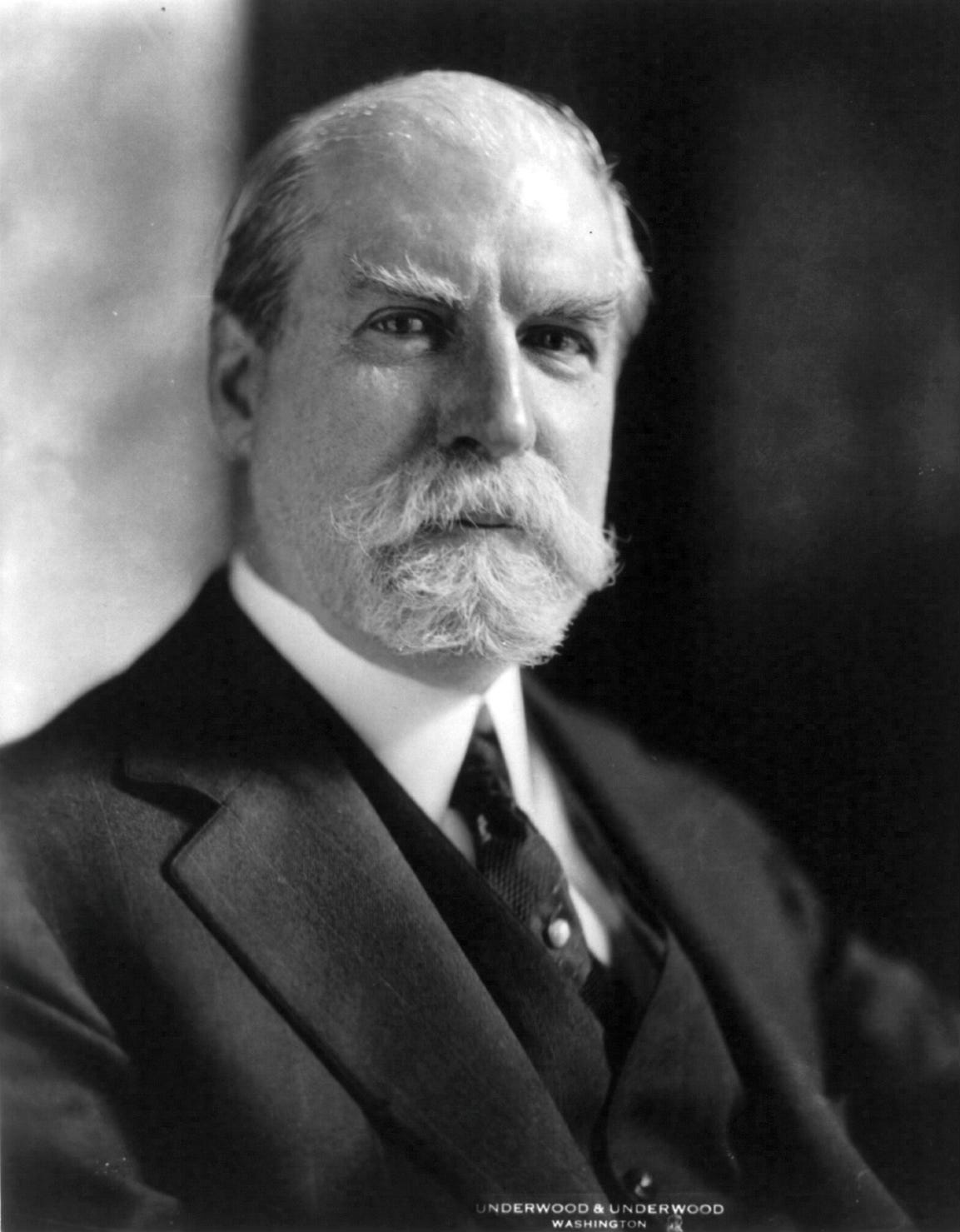
This Day in Legal History: Entrapment as Defense
On December 19, 1932, the U.S. Supreme Court decided Sorrells v. United States, a case that reshaped how American courts evaluate government conduct in criminal investigations. The case involved a Prohibition-era prosecution in which a federal agent repeatedly pressured the defendant to obtain illegal liquor. The Court held that criminal convictions should not stand when the government induces a crime that the defendant was not otherwise predisposed to commit. This decision formally recognized entrapment as a valid defense under federal law.
Rather than focusing only on the defendant’s actions, the Court emphasized the importance of limiting improper law enforcement tactics. The majority opinion reasoned that Congress could not have intended criminal statutes to be enforced through deception that manufactures crime. As a result, courts were instructed to examine whether the criminal intent originated with the government or the accused. The ruling reflected growing concern about aggressive policing methods during Prohibition. Over time, Sorrells became a foundational case cited whenever defendants challenge undercover operations. The decision also highlighted the judiciary’s role in supervising executive conduct in criminal prosecutions.
The Trump administration has suspended the Diversity Immigrant Visa Program—commonly known as the green card lottery—following two high-profile campus attacks. Homeland Security Secretary Kristi Noem announced the move, stating that the suspect in the fatal shootings of a Brown University student and an MIT professor had entered the U.S. through the program. The shooter, Claudio Manuel Neves Valente, a 48-year-old Portuguese national and former Brown student, was found dead in an apparent suicide. Noem said the pause is necessary to prevent further harm from what she called a “disastrous program.”
The lottery program, which grants up to 50,000 green cards annually, has long been a target of Trump’s immigration agenda, which links violent incidents to immigration policy failures. This suspension follows earlier actions by the administration, including visa restrictions after a separate shooting by an Afghan national and a proposal to impose a $100,000 application fee for H-1B work visas, which are heavily used in the tech industry.
Trump’s broader immigration crackdown also includes enhanced social media vetting for tourists, expanded ICE operations in major cities, and the development of large-scale immigration detention centers known as “mega centers.” These moves align with Trump’s campaign promises to tighten border controls and execute large-scale deportations.
Trump Suspends US Green Card Lottery After Brown, MIT Attacks
Trump administration officials are scrambling to meet a Friday deadline to release a large cache of documents related to the Justice Department’s investigations into Jeffrey Epstein. The release was mandated by a recently passed law, supported by both parties in Congress, following months of political pressure and public frustration over the administration’s resistance to transparency. Though President Trump initially opposed the legislation, he reversed course shortly before the vote amid growing dissent from his own supporters.
The new law permits the Justice Department to withhold certain details, including victims’ identities and information tied to ongoing investigations. Attorneys in the department’s National Security Division have been racing to redact sensitive data, raising internal concerns about the risk of mistakes, especially regarding private information. The tight timeline has disrupted other DOJ casework since Thanksgiving.
Trump’s handling of the Epstein matter has dented his support among Republicans, with only 44% approving of his actions, according to a recent Reuters/Ipsos poll. This contrasts sharply with his broader 82% approval within the party. Critics argue that Trump’s past friendship with Epstein and his failure to follow through on a 2024 campaign promise to declassify the records have fueled suspicions of a cover-up. While Trump has denied knowledge of Epstein’s crimes and has not been accused of wrongdoing, past email disclosures have added to the controversy.
As more emails emerge—some implying Trump’s involvement, others suggesting no direct misconduct—the administration has tried to redirect attention toward figures like Bill Clinton and JPMorgan. But with midterms approaching, the Epstein file release may remain a political liability.
Trump administration officials race to meet Friday deadline for Epstein files | Reuters
Wisconsin Judge Hannah Dugan was found guilty of obstructing a federal proceeding for aiding a migrant in avoiding an immigration arrest at the courthouse, marking a significant legal win for the Trump administration’s intensified immigration enforcement efforts. The jury acquitted Dugan on a lesser charge of concealing a person from arrest but convicted her on the more serious obstruction count. The case is part of a broader Justice Department campaign targeting local officials accused of interfering with Immigration and Customs Enforcement (ICE) operations.
Prosecutors alleged that in 2023, Dugan helped Mexican national Eduardo Flores-Ruiz, who faced domestic violence charges, avoid a planned ICE arrest by rerouting him and his lawyer through a restricted exit after confronting ICE agents stationed near her courtroom. Dugan, a former head of Catholic Charities and longtime legal aid attorney, argued she was following internal court policies meant to manage ICE activity in courthouses, especially after prior arrests caused confusion and concern.
Flores-Ruiz was ultimately arrested outside the courthouse after a brief chase. The Justice Department framed the case as a message that even judges are not above the law when it comes to obstructing federal immigration enforcement. Critics, however, view courthouse arrests as damaging to the legal system’s integrity, potentially deterring vulnerable individuals from seeking legal protection.
Judge found guilty of obstructing arrest in Trump immigration crackdown | Reuters
In a piece I wrote for Forbes earlier this week, I take down yet another One Big Beautiful Bill Act tax “reform” that, upon closer examination, isn’t as great a deal as it may first seem.
Starting in 2025, a new federal tax deduction allows taxpayers to deduct up to $10,000 in interest on qualifying new car loans—but only under strict conditions. The car must be newly purchased (not leased or used), assembled in the U.S., and not used for business purposes. The deduction phases out for individuals earning over $100,000 and joint filers over $200,000, narrowing its reach to a slim demographic of middle- to upper-middle-income earners. While promoted as consumer relief amid high car prices and interest rates, critics argue it’s a veiled subsidy for automakers, not a meaningful economic benefit for struggling Americans.
The policy resembles the mortgage interest deduction, which has long been criticized for inflating home prices and disproportionately benefiting wealthier borrowers. Similarly, this car loan deduction doesn’t lower car costs—it subsidizes borrowing, pushing consumers toward pricier new vehicles and encouraging debt accumulation. The IRS will also gain new data from lenders, who must now report annual interest paid, further expanding government oversight.
Despite the flashy $10,000 cap, few borrowers will come close to that threshold. A typical new car loan might yield only a $600 annual tax benefit—negligible compared to high monthly payments and rapid depreciation. Rather than meaningful relief, the policy appears to be more of a political gesture, using tax code tweaks to create the illusion of support while primarily serving industry interests.
‘No Tax On Car Loan Interest’—Tax Reform Or Facade?

This week’s closing theme is by Louis-Nicolas Clérambault.
This week’s closing theme comes from Clérambault, a French Baroque composer born on December 19, 1676, whose music captures the elegance and structure of early 18th-century Paris. Clérambault is best known today for his sacred cantatas and his refined works for keyboard and chamber ensemble. He spent much of his career as an organist, serving at prominent Paris churches and developing a style that balanced expressive melody with formal clarity. His music reflects the French taste for ornamentation while remaining grounded and disciplined.
The piece featured here is Suite du premier ton: V. Basse et Dessus de Trompette, presented in a complete performance. This movement highlights the contrast between a strong bass line and a bright, trumpet-like upper voice, a hallmark of French Baroque color and texture. Rather than showcasing virtuosity for its own sake, the music emphasizes balance and conversation between parts. The result is confident and ceremonial, yet never overstated.
As a closing theme, this work offers a sense of order and resolution, bringing the week to a measured and dignified close. Clérambault’s writing reminds us that Baroque music was as much about structure and purpose as it was about beauty. His music endures because it is clear, expressive, and carefully crafted. Ending the week with this piece is a quiet nod to tradition, discipline, and lasting musical craft.
Without further ado, Louis-Nicolas Clérambault’s Suite du premier ton: V. Basse et Dessus de Trompette–enjoy!


