


This Day in Legal History: Bernhard Goetz
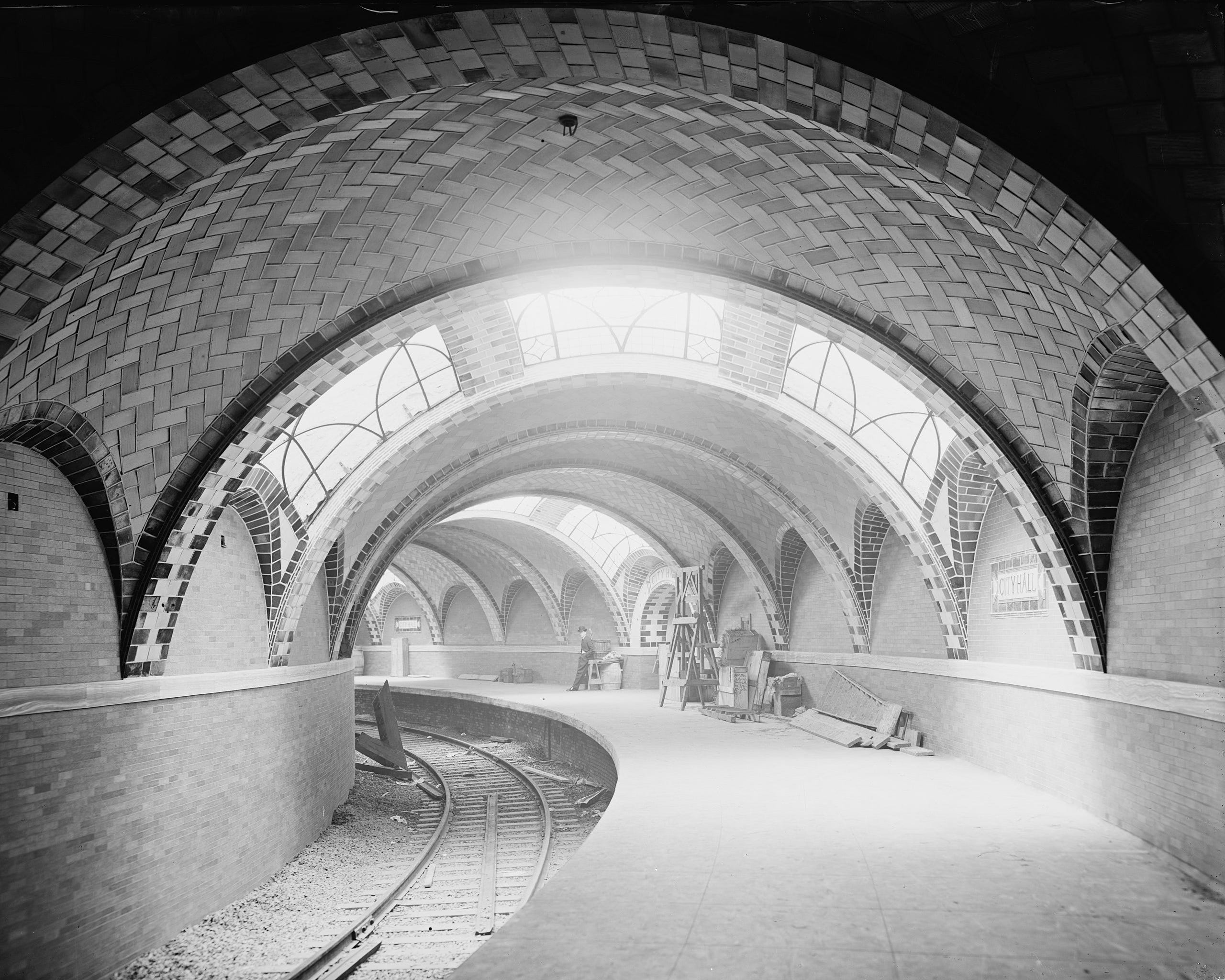
On this day in legal history, December 22, 1984, Bernhard Goetz shot and wounded four young Black men—Troy Canty, Barry Allen, Darrell Cabey, and James Ramseur—on a New York City subway train. Goetz, who was white, claimed the men had attempted to rob him and that he acted in self-defense. The case quickly became a national sensation, exposing deep racial fault lines in public discourse and in the justice system. Supporters hailed Goetz as a vigilante hero responding to unchecked urban crime, while critics denounced his actions as racially motivated violence that reinforced systemic bias.
Goetz fled the scene but turned himself in nine days later. During the investigation, he told police that he had intended to kill the men and expressed explicitly racist sentiments, calling them “savages.” Despite this, a grand jury initially refused to indict him for attempted murder, charging him only with criminal possession of a weapon. After public outcry, a second grand jury indicted him on multiple counts, including attempted murder and assault. In his 1987 trial, however, Goetz was acquitted of all charges except for illegal firearms possession.
The verdict underscored how race and fear influenced perceptions of self-defense and victimhood. The jury accepted Goetz’s narrative of fear despite his own admission of intent and inflammatory language. The case highlighted the elasticity of self-defense laws, especially when invoked by white defendants against Black victims. It also foreshadowed later debates in high-profile cases where racial bias intersected with claims of justified force. Goetz ultimately served just over eight months in jail. Darrell Cabey, left paralyzed by the shooting, later won a $43 million civil judgment against him—a sum Goetz claimed he could never pay. The case remains a stark example of how legal standards of justification can mask broader social inequities.
President Trump is preparing to expand immigration enforcement in 2026 with a significant boost in funding and more aggressive tactics, including a renewed focus on workplace raids. Despite growing political backlash, Trump plans to hire thousands of new agents, expand detention centers, and partner with private companies to track undocumented immigrants. His administration has already deployed federal agents to major cities, sparking protests over the use of tear gas, extrajudicial tactics, and the detention of U.S. citizens.
ICE and Border Patrol are set to receive $170 billion through 2029, a massive increase over their current annual budgets. Miami recently elected its first Democratic mayor in decades, with voters citing Trump’s immigration policies as a motivating factor. While Trump continues to frame his crackdown as targeting criminals, government data shows a large portion of recent ICE arrests have involved individuals with no criminal record beyond immigration violations.
Trump has also moved to strip temporary protections from hundreds of thousands of immigrants and aims to deport one million people annually, although he’s likely to fall short of that target. Legal immigrants haven’t been spared either—some have been detained during green card interviews or had their naturalization ceremonies interrupted. The administration’s new workplace-focused approach could strain the economy, especially in industries reliant on immigrant labor, raising concerns about inflation and employer backlash.
Critics argue the crackdown undermines due process and civil liberties, militarizes communities, and disproportionately targets people of color. As enforcement expands, business groups may be forced to respond more vocally, especially if employer raids disrupt operations. Trump’s overall approval on immigration has dropped sharply since March, suggesting growing public discomfort with the scope and style of enforcement.
Trump set to expand immigration crackdown in 2026 despite brewing backlash | Reuters
A federal judge has blocked the Trump administration from implementing new restrictions on over $3 billion in federal grants that support housing and services for homeless individuals. U.S. District Judge Mary McElroy issued a preliminary injunction after finding that the Department of Housing and Urban Development’s (HUD) planned changes to the Continuum of Care program likely violated the McKinney-Vento Act, which mandates a focus on stable, permanent housing for vulnerable populations.
The lawsuit was brought by 20 mostly Democratic-led states, Washington, D.C., and a coalition of nonprofits and local governments. Plaintiffs argued that HUD’s proposed changes would endanger the housing of around 170,000 people, including families, veterans, and survivors of domestic violence—particularly concerning as winter sets in. McElroy, a Trump appointee, emphasized the public interest in upholding lawful agency action and maintaining stability for at-risk groups.
The Trump administration had sought to move away from the long-standing “housing-first” model, which provides housing without preconditions like sobriety or employment, and instead proposed work requirements and transitional housing. HUD also attempted to ban funding for services related to diversity, gender identity, and abortion, while aligning programs with its immigration enforcement efforts.
Critics viewed the move as a politically motivated attempt to reshape federal homelessness policy, while the judge noted HUD’s last-minute changes to its own policy appeared strategic and disruptive to legal proceedings. Despite the ruling, HUD stated it remains committed to reforming the program “in accordance with the law.”
US judge blocks Trump administration from altering homelessness funding conditions | Reuters
David O’Keefe, a retired Manhattan prosecutor, has filed a federal lawsuit against New York City and Brookfield Properties, claiming he was unlawfully arrested while protesting outside the Manhattan offices of the law firm Skadden Arps. The protest took place in April 2025 in a privately owned public space (POPS), where O’Keefe staged a solo demonstration criticizing Skadden’s agreement to provide $100 million in pro bono legal services for initiatives backed by President Donald Trump. He alleged the firm’s involvement threatened the rule of law.
According to the complaint, O’Keefe was arrested for trespassing after refusing to leave the plaza, detained for 90 minutes, and later had the charge dismissed. His lawsuit seeks not only damages but also a court ruling affirming that First Amendment rights apply in POPS—publicly accessible spaces maintained by private owners in exchange for zoning benefits. His legal team argues the arrest violated his constitutional rights and aims to clarify protections for protest in such hybrid public-private areas.
Skadden is not named as a defendant and has not commented. The firm was one of several major law firms that agreed to work with the Trump administration following the president’s efforts to pressure the legal industry over prior political affiliations and diversity practices. A photo included in the suit shows O’Keefe holding a sign labeling Skadden “Trump’s $100 million lap dog.”
Ex-prosecutor sues over arrest while protesting law firm Skadden’s deal with Trump | Reuters


