



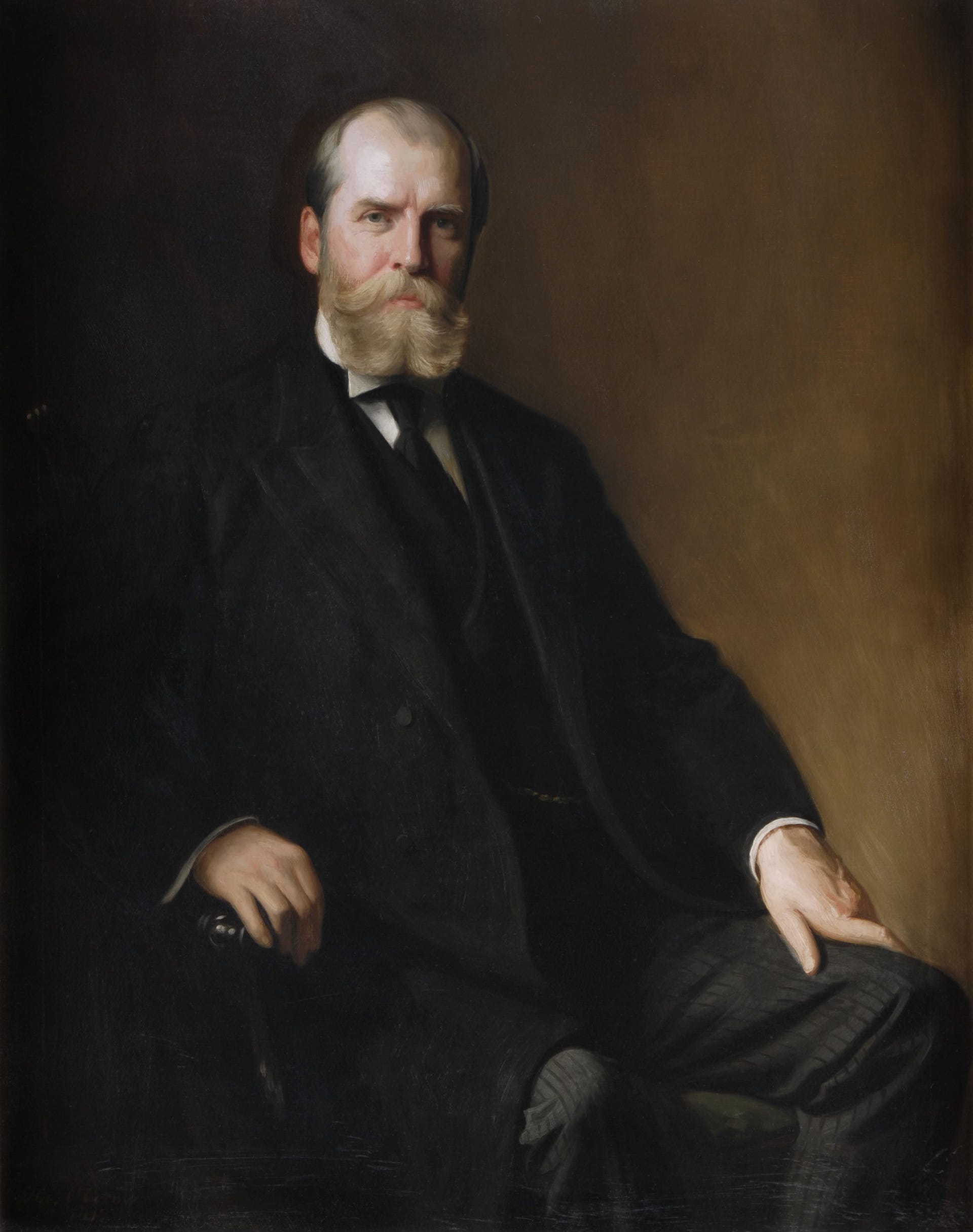
This Day in Legal History: Powell v. Alabama
On February 16, 1932, the United States Supreme Court heard oral arguments in Powell v. Alabama, a case that would become a cornerstone of modern criminal procedure. The appeal arose from the notorious Scottsboro Boys prosecutions in Alabama, where nine young Black men were accused of raping two white women aboard a train. The trials moved with alarming speed, and the defendants were sentenced to death after proceedings that offered little meaningful access to legal counsel. In some instances, lawyers were appointed on the day of trial, leaving virtually no time to prepare a defense.
The case forced the Court to confront whether such rushed representation satisfied the requirements of due process under the Fourteenth Amendment. When the decision was issued later that year, the Court held that in capital cases, state courts must provide defendants with effective assistance of counsel. The justices emphasized that the right to be heard would mean little without the guiding hand of an attorney. The ruling did not yet create a broad right to counsel in all felony cases, but it marked a significant expansion of constitutional protections in state criminal proceedings.
Powell signaled that fundamental fairness in state trials was subject to federal constitutional scrutiny. It also laid important groundwork for later decisions that would extend the right to counsel beyond capital cases. The case remains a defining example of how procedural safeguards can shape the legitimacy of the criminal justice system.
The U.S. Court of Appeals for the Federal Circuit revived part of Google’s challenge to a Wildseed Mobile LLC patent covering the creation and transmission of “hot links” through text messages. A three-judge panel vacated a decision by the Patent Trial and Appeal Board that had upheld one remaining claim of the patent, while invalidating the others. The appellate court found that the board failed to properly analyze Google’s argument that the claim was invalid in light of prior art.
The disputed claim involved generating a hot link using either an SMS message or an instant message. Although Google addressed both aspects in its petition, the board focused only on the SMS portion and did not meaningfully address the instant messaging limitation. The Federal Circuit said the board neither evaluated whether prior art covered the instant messaging element nor explained why it declined to do so. Because of that omission, the panel sent the case back to the board for further review.
Wildseed had accused Google of infringing the patent based on how advertisements function on YouTube. The lawsuit was initially filed in Texas in 2022 but later moved to federal court in California, where proceedings were paused pending the outcome of the PTAB review. In 2024, the board had already invalidated claims in two related Wildseed patents involving video ads and smartphone notifications.
Google’s Hot Link Patent Claim Challenge Revived At Fed. Circ. - Law360
Federal prosecutors have unveiled additional details in a criminal case accusing Cleveland Guardians pitchers Emmanuel Clase and Luis Ortiz of participating in a pitch-fixing scheme tied to sports betting. A superseding indictment filed in New York alleges that Clase exchanged coded text messages with associates and bettors before games to signal when he would throw specific pitches. The messages reportedly used poultry-themed language such as “rooster” and “chicken” to disguise the scheme. In one example, an associate allegedly texted Clase about throwing a “rock at the first rooster,” to which Clase responded affirmatively.
Prosecutors claim that bettors used this advance information to place successful proposition bets on pitch speed, winning hundreds of thousands of dollars. According to the indictment, bettors earned at least $400,000 on wagers involving Clase and about $60,000 on wagers involving Ortiz. The players allegedly agreed to accept bribes of at least $12,000 each. Authorities also allege that some coordination occurred in person, including meetings at Clase’s home, and that payments were routed through intermediaries.
The updated indictment adds Robinson Vasquez Germosen, who prosecutors say acted as a middleman and later lied to FBI agents about his knowledge of the scheme. He is charged with making false statements. Clase and Ortiz previously pleaded not guilty, and their attorneys maintain that the allegations are unproven and will be challenged at trial.
MLB Pitcher Sent ‘Coded’ Texts For Rigged Pitches, Feds Say - Law360 UK
A long-running dispute over ownership of a goldendoodle named Tucker has concluded with a private sealed-bid auction ordered by the Delaware Court of Chancery. The case, Callahan v. Nelson, involved former partners Karen Callahan and Joseph Nelson, who had jointly acquired the dog while dating but could not agree on ownership after their 2022 breakup. Because the couple was never married, they could not rely on Delaware’s family law statute that allows courts to consider a pet’s well-being when dividing marital property.
After conflicting rulings in lower courts, the matter reached the state’s premier business court, where Vice Chancellor Bonnie W. David applied a property “partition” remedy. Rather than ordering shared custody or considering the dog’s best interests, the court required a single blind bidding process between the parties. The higher bidder would keep Tucker, and the other would receive the payment. The exact amount of the winning bid was not disclosed. Nelson ultimately submitted the top bid and retained the dog.
The court explained that, absent statutory authority to weigh the animal’s welfare, traditional property principles favored an auction as the cleanest solution. A neutral attorney oversaw the process and noted that the dog’s value was subjective and personal, not easily tied to market measures. Callahan’s attorney said she was disappointed but would not seek to block the result, adding that the case sets helpful precedent for resolving similar pet ownership disputes.
A key legal element in the case is the use of partition, an equitable remedy typically applied when co-owners of property cannot agree on how to divide it. Instead of physically splitting the property or forcing continued joint ownership, the court may order a sale and distribute the proceeds.
Ex-Boyfriend Wins Tucker the Goldendoodle in Sealed Bid Auction


