


This Day in Legal History: Grand Teton National Park
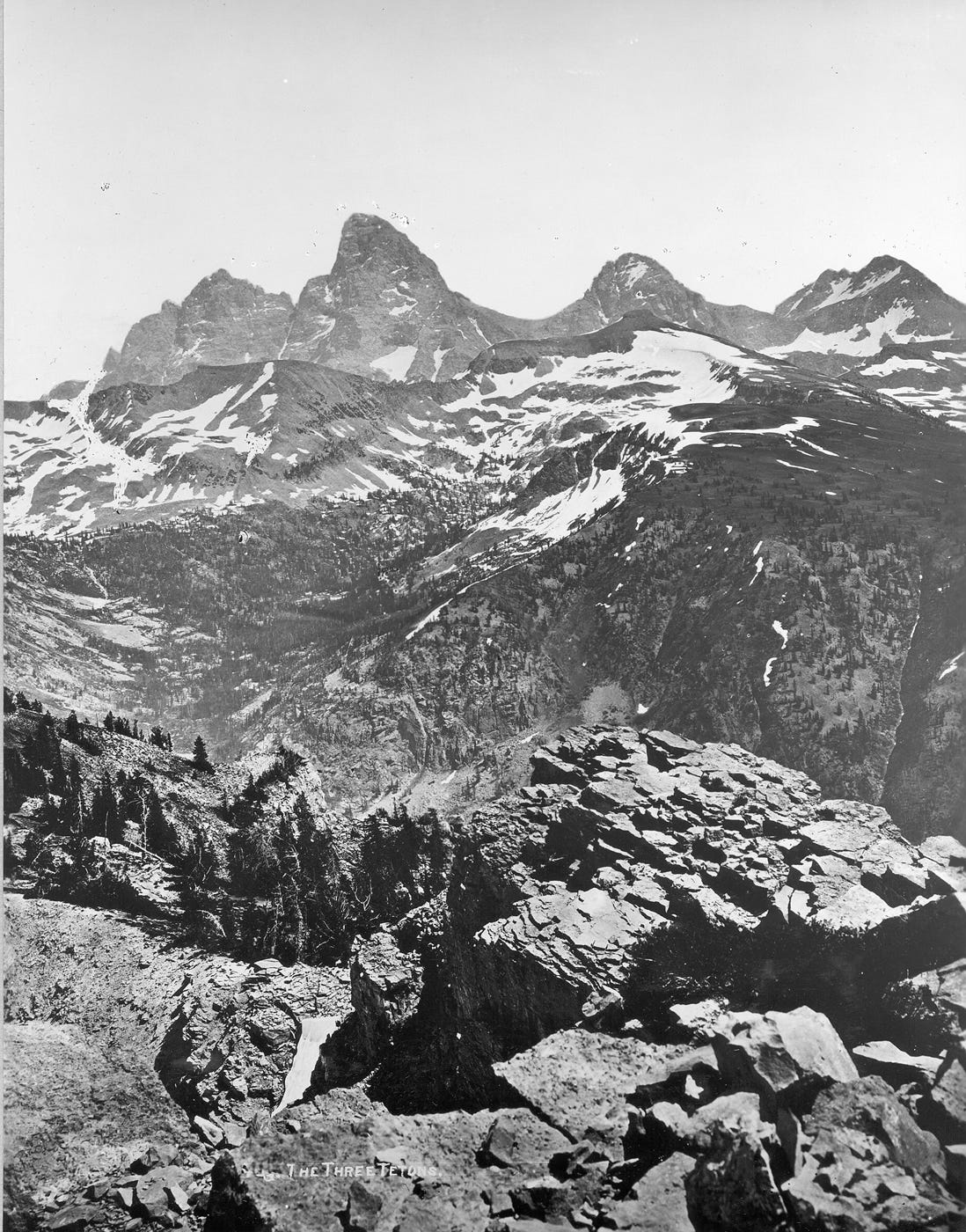
On February 26, 1929, Congress officially established Grand Teton National Park, preserving one of the most striking mountain landscapes in the American West. While today the park is known for its natural beauty and wildlife, its creation was rooted in significant legal and political conflict. The legislation reflected a growing national commitment to conservation during the early twentieth century. At the same time, it sparked fierce opposition from local ranchers and residents who feared federal control over land they had long used for grazing and settlement. Many critics argued that expanding federal ownership infringed upon traditional property rights and state authority.
The controversy centered on Congress’s constitutional power to regulate and manage federal lands under the Property Clause. Supporters of the park maintained that the federal government had clear authority to preserve land for public use and environmental protection. Opponents viewed the move as an overreach that disrupted local economies and private land expectations. The debate highlighted tensions between national conservation goals and regional economic interests. It also illustrated how public land policy can serve as a testing ground for broader constitutional principles.
Ultimately, the establishment of the park signaled an expanding federal role in environmental stewardship. It marked a shift toward long-term preservation over short-term private development. The legal battles surrounding the park foreshadowed future disputes over land use, resource management, and federal regulatory power. February 26, 1929, thus stands as a reminder that conservation law has often advanced through conflict as much as consensus.
The Trump administration has filed a lawsuit against the University of California system, alleging that Jewish and Israeli employees at UCLA were subjected to an antisemitic hostile work environment. The complaint, brought by the Justice Department in Los Angeles, claims UCLA failed to respond adequately to discrimination complaints following the October 2023 Hamas-led attack on Israel. Federal officials argue that the university ignored or even enabled antisemitic conduct during a period marked by intense campus protests over the war in Gaza. The lawsuit seeks a court order requiring UCLA to investigate the allegations, improve anti-discrimination training, and pay unspecified damages to two professors who say they experienced antisemitism.
This legal action is part of a broader effort by President Trump to challenge universities over pro-Palestinian protests, diversity programs, and other policies. The administration previously attempted to freeze significant federal funding for UCLA, though a judge ordered that funding restored. UCLA has responded by pointing to institutional reforms, including restructuring its civil rights office and launching initiatives aimed at combating antisemitism. Large demonstrations took place on campus in 2024, with protesters calling for divestment from companies linked to Israel and an end to U.S. support for the war in Gaza. Some demonstrators, including Jewish groups, have argued that criticism of Israeli policy is being wrongly labeled as antisemitism.
The University of California system receives more than $17 billion annually in federal funding, heightening the stakes of the dispute. The administration has reached financial settlements in similar investigations involving other universities, prompting concerns among academic experts about the impact on academic freedom. Notably, the administration has not pursued comparable investigations into allegations of Islamophobia or anti-Palestinian discrimination.
Trump administration alleges antisemitic work environment at UCLA | Reuters
Attorneys general from 11 Republican-led states have asked the U.S. Department of Justice to closely examine Netflix’s proposed $82.7 billion acquisition of studio and streaming assets from Warner Bros. The state officials argue that the deal could harm competition and weaken the United States’ leadership in the film industry. In a letter to federal regulators, they urged careful scrutiny of how the merger might affect streaming subscribers and the theatrical movie market.
Warner Bros. has accepted Netflix’s offer, but its board is also weighing a competing proposal from Paramount Skydance, which has suggested that Netflix’s bid may face greater antitrust challenges. The state attorneys general contend that combining the companies’ assets could lead to excessive market concentration. They warn that reduced competition might result in higher prices, diminished service quality, and fewer innovative offerings for consumers.
The officials emphasize that the entertainment industry is a significant part of the American economy and cultural influence, making regulatory oversight especially important. Their request signals potential legal and political resistance to the transaction as federal antitrust authorities evaluate the proposed merger.
11 US States urge DOJ to thoroughly probe Netflix-Warner Bros. deal | Reuters
Spain’s competition regulator has determined that Apple and Amazon failed to promptly remove anti-competitive clauses from their distribution agreements, despite being ordered to do so. The watchdog, known as the CNMC, had fined the companies 194 million euros in 2023 and instructed them to immediately eliminate contract terms that limited the number of Apple resellers on Amazon’s Spanish platform. Regulators said those provisions unfairly restricted competition and affected how rival products were promoted on the site.
According to the CNMC, the companies did not fully comply with the cease-and-desist order until May 2025, well after the directive was issued. This delay could expose them to additional penalties. The regulator had also alleged that the agreements reduced advertising space for competing brands and blocked marketing efforts targeting Apple customers with alternative products.
Both companies dispute the findings. Apple stated that it respects the regulator but disagrees with the ruling and maintains it has followed official instructions, emphasizing efforts to protect customers from counterfeit goods. Amazon likewise rejected the regulator’s conclusions and said it plans to appeal, arguing that its business model depends on supporting third-party sellers, many of whom are small and medium-sized businesses. The original 2023 fine remains suspended while the case is under review by Spain’s High Court.
Apple and Amazon took too long to remove anti-competitive clauses, Spanish watchdog says | Reuters


