


This Day in Legal History: Camp David Accords
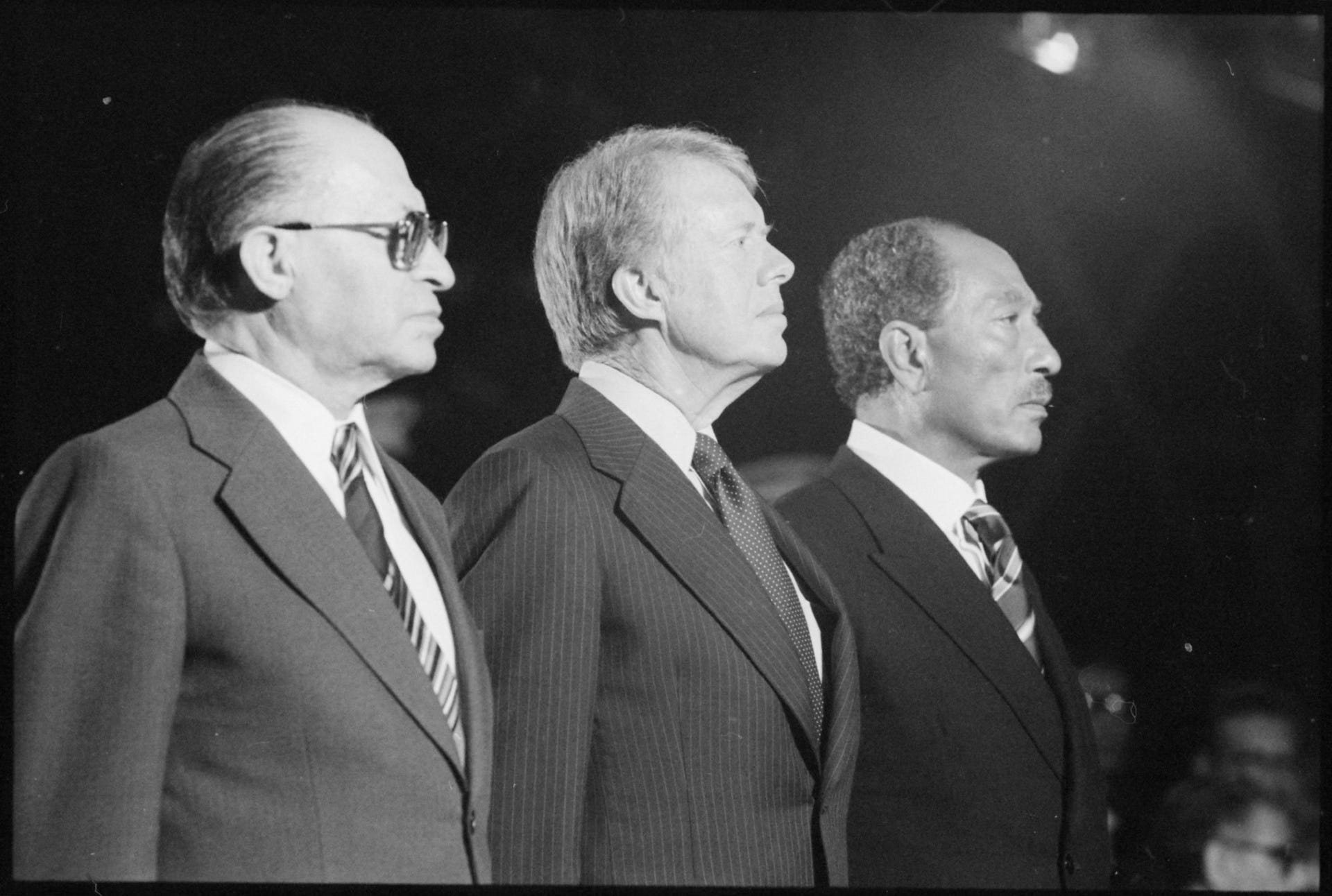
On March 26, 1979, Egypt and Israel formally signed the Camp David Accords, marking a historic breakthrough in international law and diplomacy. The agreement followed years of conflict between the two nations, including multiple wars that had destabilized the region. Brokered by U.S. President Jimmy Carter, the negotiations took place at the presidential retreat in Maryland. Egyptian President Anwar Sadat and Israeli Prime Minister Menachem Begin played central roles in reaching the accord. The resulting treaty established a framework for peace and normalized diplomatic relations between the two countries. It also included provisions for Israel’s withdrawal from the Sinai Peninsula, which had been occupied since the Six-Day War. In exchange, Egypt became the first Arab nation to officially recognize Israel. The agreement demonstrated the power of sustained negotiation and third-party mediation in resolving entrenched disputes. It also highlighted the role of international agreements as binding legal instruments between sovereign states. The treaty had lasting implications for Middle Eastern geopolitics and influenced future peace efforts in the region. While controversial at the time, it ultimately reduced the likelihood of further large-scale conflict between the two nations. The accords earned Sadat and Begin the Nobel Peace Prize, underscoring their global significance. The Camp David framework remains a key example of how diplomacy can achieve outcomes that military action cannot.
A California jury in Los Angeles found Meta Platforms and Google liable for harming the mental health of a woman who said she became addicted to their platforms as a child. The jury awarded $3 million in compensatory damages and an additional $3 million in punitive damages, effectively doubling the total award. Responsibility was split with Instagram accounting for 70% of the harm and YouTube 30%. Jurors concluded that both companies were negligent in designing their platforms and failed to warn users about potential dangers. They also found that the companies’ conduct involved malice, fraud, or oppression, justifying punitive damages.
This case is the first bellwether trial among thousands of similar lawsuits, making it an important test for future litigation against social media companies. The verdict increases potential legal exposure for these companies, which could face billions in liability nationwide. During trial, the plaintiff’s attorneys argued that platform features like algorithms, autoplay, and infinite scroll were intentionally designed to be addictive. The defense countered that social media addiction is not a recognized condition and pointed to other factors in the plaintiff’s life that could explain her mental health struggles.
Jurors were influenced by a combination of evidence, including internal company materials and testimony from executives and former employees. Some jurors expressed skepticism about testimony from Meta CEO Mark Zuckerberg. The relatively modest punitive damages award reflected hesitation about granting a large sum to a single individual. Both companies have stated they disagree with the verdict and plan to appeal. The case could shape how courts evaluate claims about the harmful design of social media platforms.
Jury Doubles Damages Against Meta, Google In LA Bellwether - Law360
US jury verdicts against Meta, Google tee up fight over tech liability shield | Reuters
The U.S. Supreme Court unanimously overturned a lower court ruling that had held Cox Communications liable for its customers’ music piracy. The justices ruled that simply knowing customers may engage in copyright infringement is not enough to establish liability. Instead, there must be proof that the company intended to promote or encourage the illegal activity. The decision sends the case back to the Fourth Circuit for reconsideration under this clarified standard.
The dispute originated from a 2019 jury verdict that ordered Cox to pay $1 billion to music companies, including Sony Music Entertainment, for contributory and vicarious copyright infringement. While the appellate court had upheld part of that ruling, the Supreme Court found that the legal standard for contributory infringement had been applied too broadly. Justice Clarence Thomas, writing for the Court, emphasized that providing a general service—even with awareness of misuse—does not automatically create liability.
The ruling marks the Court’s first major examination of secondary copyright liability in years and draws on earlier cases like Sony Corp. of America v. Universal City Studios and MGM Studios Inc. v. Grokster, Ltd.. A concurring opinion by Justice Sonia Sotomayor agreed with the outcome but warned that the majority may have limited other ways to hold companies accountable, such as aiding-and-abetting theories.
The decision is seen as a significant win for internet service providers, who argued that broader liability would force them to cut off users based on unproven accusations. At the same time, the music industry expressed concern that the ruling could weaken protections against widespread copyright infringement. The case highlights ongoing tension between protecting intellectual property and maintaining practical limits on intermediary liability.
High Court Reverses Music Piracy Liability Ruling Against Cox - Law360
Ousted Venezuelan president Nicolás Maduro is facing U.S. criminal charges, including narcoterrorism, in a case that could test a rarely used federal law with a limited track record at trial. Prosecutors allege that Maduro led a conspiracy to traffic cocaine in coordination with groups such as the Revolutionary Armed Forces of Colombia (FARC), which the United States has labeled a terrorist organization. Maduro has pleaded not guilty and denies the allegations, claiming they are politically motivated.
The narcoterrorism statute, enacted in 2006, targets drug trafficking tied to terrorism but has produced few successful trial outcomes. Of the small number of convictions obtained, some have later been overturned due to unreliable witness testimony. This history highlights a major challenge for prosecutors: proving that a defendant knowingly connected drug activity to terrorist operations. Legal experts note that this “knowledge” requirement is the most difficult element to establish in court.
Maduro also faces additional charges, including drug trafficking and money laundering, which could still result in severe penalties even if the narcoterrorism count proves difficult. The law carries a mandatory minimum sentence of 20 years, reflecting its seriousness. Prosecutors may rely on testimony from former Venezuelan officials, though the credibility of such cooperating witnesses could be heavily scrutinized.
The case underscores broader tensions in applying U.S. criminal law to international actors and complex geopolitical conduct. It also demonstrates how expansive definitions of terrorism can complicate prosecutions. Ultimately, the outcome may shape how aggressively the U.S. uses narcoterrorism charges in future cases.
Maduro case to test US narcoterrorism law with limited trial success | Reuters


